
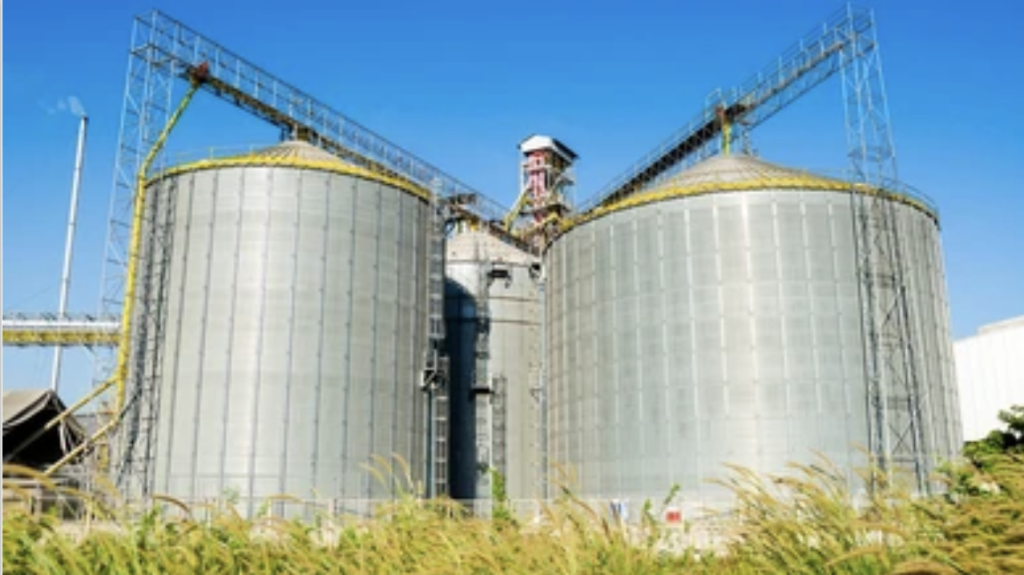
Sustainable Supply Chain
In today’s globalized world, increasing environmental awareness and social responsibility are reshaping how businesses operate. Companies are no longer focused solely on cost efficiency and speed; they must also consider the environmental and social impacts of their operations. This shift has led to the rise of the sustainable supply chain concept.
A sustainable supply chain integrates environmentally and socially responsible practices into every stage of the supply chain, from raw material sourcing to production, distribution, and end-of-life product management. This approach enables companies to create long-term value while minimizing negative impacts on the planet and society.
Definition of Sustainable Supply Chain
A sustainable supply chain is a management approach that incorporates three core pillars of sustainability:
- Environmental
Reducing carbon emissions, waste generation, and resource consumption. - Social
Ensuring fair labor practices, worker safety, and community well-being. - Economic
Maintaining profitability and long-term business viability.
This concept is often associated with the Triple Bottom Line: People, Planet, Profit.
Key Components of a Sustainable Supply Chain
1. Sustainable Sourcing
Companies select suppliers that adhere to environmental and ethical standards. This includes:
- Using eco-friendly raw materials
- Ensuring certifications such as ISO 14001
- Maintaining transparency in sourcing
2. Green Manufacturing
Production processes are designed to:
- Reduce energy consumption
- Use cleaner technologies
- Minimize industrial waste
3. Sustainable Logistics
Distribution strategies focus on:
- Low-emission transportation
- Route optimization
- Environmentally friendly packaging
4. Reverse Logistics
Managing products after use, including:
- Recycling
- Reuse
- Safe disposal of hazardous materials
Importance of Sustainable Supply Chain
1. Environmental Impact Reduction
Industrial activities contribute significantly to global emissions. Sustainable supply chains help reduce carbon footprints and environmental degradation.
2. Enhanced Corporate Reputation
Modern consumers prefer brands that demonstrate environmental and social responsibility.
3. Regulatory Compliance
Governments worldwide are implementing stricter environmental and sustainability regulations.
4. Long-Term Cost Efficiency
Although initial investments may be high, energy savings and waste reduction lead to lower operational costs over time.
Challenges in Implementation
1. Complexity of Global Supply Chains
Multiple stakeholders across regions make monitoring and control more difficult.
2. High Initial Costs
Adopting green technologies and certifications requires substantial investment.
3. Lack of Transparency
Not all suppliers operate under the same sustainability standards.
4. Organizational Change
Successful implementation requires commitment across all levels of the company.
Technologies Supporting Sustainable Supply Chains
1. Internet of Things (IoT)
Enables real-time monitoring of energy use, emissions, and operational efficiency.
2. Blockchain Technology
Enhances transparency and traceability across the supply chain.
3. Artificial Intelligence (AI)
Optimizes logistics, demand forecasting, and inventory management.
4. Big Data Analytics
Provides insights for improving sustainability performance and decision-making.
Applications in the Chemical Industry
Sustainable supply chain practices are especially critical in the chemical industry due to:
- The use of potentially hazardous materials
- Energy-intensive production processes
- Strict environmental regulations
Examples of implementation include:
- Adoption of bio-based raw materials
- Reduction of toxic solvents
- Integrated waste management systems
Implementation Strategies
1. Supply Chain Audits
Identify areas with the highest environmental and social impact.
2. Supplier Collaboration
Encourage suppliers to adopt sustainable practices and standards.
3. Renewable Energy Adoption
Reduce dependence on fossil fuels in operations.
4. Sustainable Product Design
Apply eco-design principles to minimize environmental impact throughout the product lifecycle.
Future Trends in Sustainable Supply Chain
Looking ahead, sustainable supply chains will increasingly integrate advanced technologies and innovative materials. Key trends include:
- Circular economy models
- Net-zero carbon supply chains
- AI-driven smart logistics
- Green chemistry innovations
Companies that adopt these practices will gain a strong competitive advantage in global markets.
Conclusion
A sustainable supply chain is no longer optional—it is a strategic necessity for modern businesses. By integrating sustainability into supply chain operations, companies can achieve long-term efficiency, strengthen their market position, and contribute positively to the environment and society.
In industries such as chemicals, adopting sustainable supply chain practices is essential to address regulatory pressures, environmental concerns, and evolving customer expectations.