
Nanotechnology-Based Applications in the Textile Industry
📌 Basic Concept
Nanotechnology in textiles refers to the use of materials at the nanoscale (1–100 nanometers) to enhance fabric performance and functionality.
At this scale, materials exhibit unique properties such as:
- High surface area
- Enhanced reactivity
- Improved mechanical and optical behavior
➡️ Result: textiles become more functional, durable, and high-performance
🧵 Key Functions of Nanotechnology in Textiles
Nanotechnology enables fabrics to gain advanced properties without compromising comfort.
1. Water Repellent (Hydrophobic Effect)
Nanoparticles such as:
- Silica (SiO₂)
- Fluorinated compounds
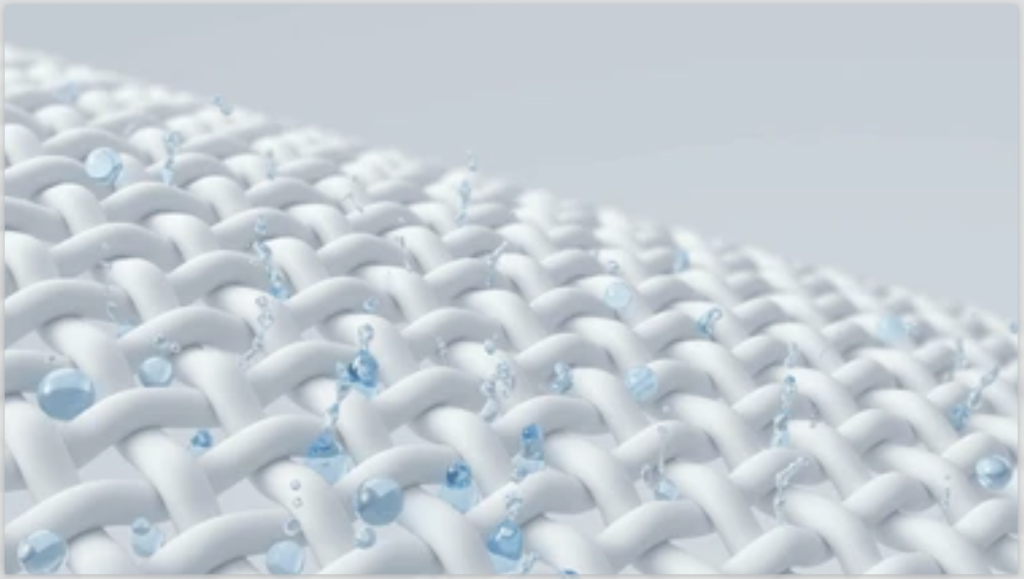
Create a lotus effect, where water droplets roll off the surface.
Applications:
- Outdoor clothing
- Protective fabrics
2. Self-Cleaning (Anti-Stain)
Based on photocatalytic activity:
- Titanium dioxide nanoparticles break down dirt under UV light
- Reduce adhesion of contaminants
➡️ Fabrics can clean themselves when exposed to sunlight
3. Antibacterial & Odor Control
Common nanomaterials:
- Silver nanoparticles (AgNPs)
- Zinc oxide (ZnO)
Functions:
- Kill bacteria
- Prevent odor formation
Applications:
- Sportswear
- Medical textiles
4. UV Protection
Nanoparticles such as:
- Titanium dioxide
- Zinc oxide
Absorb or reflect harmful UV radiation.
➡️ Provide enhanced skin protection
5. Wrinkle Resistance
Nanotechnology improves:
- Fiber crosslinking
- Fabric structure stability
Result:
- Reduced wrinkling
- Easier maintenance
6. Flame Retardancy
Nanomaterials like:
- Nano clay
- Phosphorus-based nanoparticles
Help:
- Slow down flame spread
- Reduce smoke generation
7. Conductive & Smart Textiles
Using advanced nanomaterials:
- Carbon nanotubes (CNTs)
- Graphene
Applications:
- Wearable electronics
- Smart clothing with sensors
⚙️ Methods of Applying Nanotechnology
1. Nano Coating
- Thin nano-layer applied to fabric surface
- Maintains fabric softness
2. Nano Finishing
Techniques include:
- Padding
- Spraying
- Dipping
3. Electrospinning
- Produces nanofibers directly from polymers
- Used in:
- Filtration textiles
- Medical fabrics
4. Embedded Nanoparticles
- Nanoparticles are integrated into fibers during production
➡️ Provides long-lasting performance
🌍 Key Advantages
✅ 1. Multifunctionality
One fabric can have multiple properties:
- Water repellent
- Antibacterial
- UV protection
✅ 2. High Durability
- Effects last longer than conventional finishing
✅ 3. Material Efficiency
- Less material needed due to nanoscale
✅ 4. High Value Addition
- Increases product competitiveness and market value
⚠️ Challenges
❌ 1. High Cost
- Advanced technology increases production cost
❌ 2. Health & Environmental Concerns
- Potential risks from nanoparticle exposure
❌ 3. Scalability
- Large-scale production can be complex
❌ 4. Washing Durability Issues
- Some nano-finishes may degrade after repeated washing
🔬 Future Trends
🚀 1. Smart & Wearable Textiles
- Health monitoring
- Temperature regulation
🚀 2. Green Nanotechnology
- Bio-based and eco-friendly nanomaterials
🚀 3. Energy-Generating Fabrics
- Textiles that harvest energy
🚀 4. Self-Healing Fabrics
- Materials that repair themselves automatically
🏭 Opportunities for the Chemical Industry
Nanotechnology opens strong opportunities in:
- Nano dispersions
- Functional coatings
- Antibacterial agents
- Advanced textile additives
➡️ Especially relevant for companies targeting high-performance and smart textile markets
🔑 Conclusion
Nanotechnology-based textiles represent a major innovation by transforming conventional fabrics into:
- Smart materials
- Durable products
- Multifunctional textiles
➡️ This technology is a key driver for the future of high-value and sustainable textile applications