
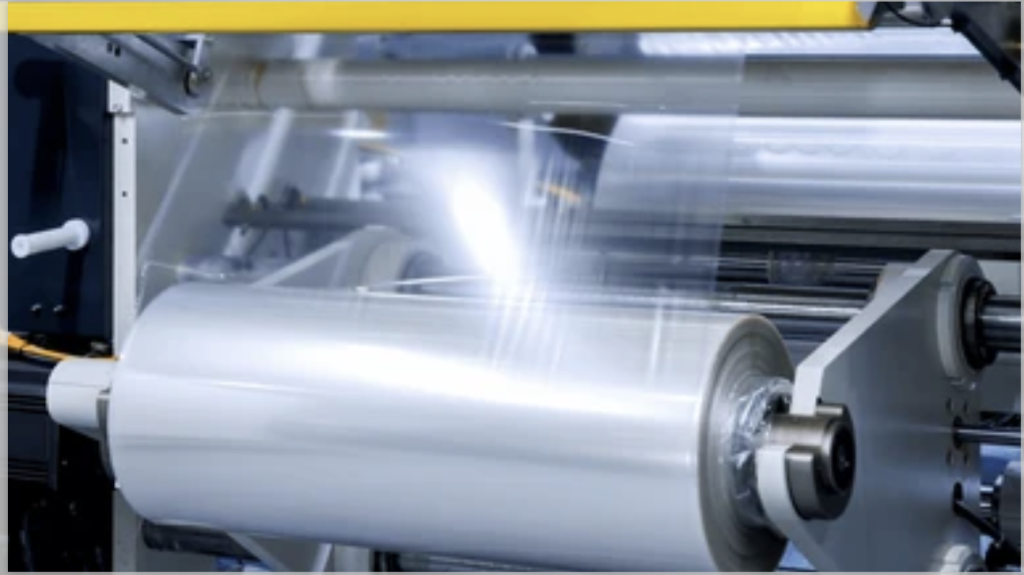
UV-Curable & EB-Curable technologies in the plastic industry
📌 Basic Definitions
1. UV-Curable Technology
UV-curable systems use ultraviolet (UV) light to initiate rapid curing (hardening) through a chemical reaction.
- Requires photoinitiators
- Activated when exposed to UV light
- Curing occurs within seconds
2. EB-Curable Technology
EB-curable (Electron Beam) systems use high-energy electron beams to initiate polymerization.
- No photoinitiator required
- Deeper penetration capability
- Highly efficient curing process
🧪 Working Principles
UV-Curable
- UV light activates the photoinitiator
- Generates free radicals
- Triggers polymerization of oligomers and monomers
- Forms a solid, crosslinked coating
➡️ This process is known as Photopolymerization
EB-Curable
- High-energy electrons directly break molecular bonds
- Generate free radicals without photoinitiators
- Initiate rapid polymerization
➡️ This is part of Radiation curing
🏭 Applications in the Plastic Industry
1. Plastic Coatings
Used for:
- Protective coatings
- Decorative finishes
- Hard coatings
Applications include:
- Automotive plastic parts
- Electronic housings
- Packaging materials
Benefits:
- High scratch resistance
- Chemical resistance
- Excellent gloss
2. Printing Inks for Plastics
Applied on:
- Flexible packaging
- Labels
- Plastic films
Advantages:
- Instant curing
- High print quality
- Low migration (important for food packaging)
3. Adhesives
Used for:
- Plastic bonding
- Film lamination
Advantages:
- Fast curing
- Strong adhesion
- High precision
4. Plastic Films & Laminates
Especially for EB-curable systems:
- Food packaging films
- Barrier coatings
Benefits:
- Deep curing
- Solvent-free formulations
5. Optical & Electronic Materials
Applications include:
- Optical films
- Display panels
- Protective coatings
Advantages:
- High transparency
- Excellent surface quality
⚙️ UV vs EB Comparison
| Aspect | UV-Curable | EB-Curable |
|---|---|---|
| Energy source | UV light | Electron beam |
| Photoinitiator | Required | Not required |
| Penetration | Limited | Deep penetration |
| Curing speed | Very fast | Very fast |
| Investment cost | Lower | Higher |
| Typical use | Coatings, inks | Films, laminates |
🌍 Key Advantages
✅ 1. Fast Processing
- Curing within seconds
- Increased production efficiency
✅ 2. Solvent-Free Systems
- Very low or no VOC emissions
- Environmentally friendly
✅ 3. Energy Efficiency
- Lower energy consumption than thermal curing
✅ 4. High Performance
- Excellent hardness
- Chemical resistance
- Durability
⚠️ Challenges
❌ 1. High Initial Investment
- EB equipment is expensive
❌ 2. Formulation Complexity
- Requires specialized oligomers, monomers, and additives
❌ 3. UV Limitations
- Less effective for thick or opaque materials
❌ 4. Safety Considerations
- UV exposure risks to eyes and skin
- EB systems require radiation shielding
🔬 Future Trends
🚀 1. Low-Migration Systems
- Designed for safe food packaging
🚀 2. Bio-Based UV Resins
- Sustainable and renewable materials
🚀 3. LED UV Technology
- Lower energy consumption
- Longer equipment lifespan
🚀 4. Hybrid UV/EB Systems
- Combining advantages of both technologies
🏭 Opportunities for the Chemical Industry
Strong opportunities exist in developing:
- UV oligomers (urethane acrylates, epoxy acrylates)
- Reactive diluents
- Photoinitiators
- Functional additives (flow, leveling, adhesion promoters)
➡️ High demand in:
- Packaging
- Automotive plastics
- Electronics
🔑 Conclusion
UV-curable and EB-curable technologies are transforming the plastic industry by offering:
- Ultra-fast curing
- Environmentally friendly processing
- High-performance coatings and materials
➡️ They are becoming the new standard for coatings, inks, adhesives, and plastic film applications.